
Turn article assumptions into a first actuator family, model class, and evidence request.
- Candidate actuator family
- Torque-speed or force-stroke window
- Datasheet, CAD, wiring, and test-record boundary
This library is built for humanoid robot procurement and engineering alignment, not general marketing reading. Each article includes actuator decision criteria, risk controls, and practical actions you can reuse in real RFQ and validation workflows.
Read articles in decision order so your team moves from model screening to RFQ quality and then to customization governance without missing critical handoff details.
| Project Stage | Recommended Article | Decision Output |
|---|---|---|
| engineering | Crossed Roller Bearings vs. Four-Point Contact Thin-Section Bearings in Humanoid Robot Actuators: Sourcing Moment Rigidity, Preload Classes, and Runout Tolerances | Reusable acceptance criteria and checklists for supplier communication. |
| engineering | Power-Off Holding Brakes in Humanoid Actuators: Permanent-Magnet vs. Spring-Applied Sourcing, PWM Economizers, and Thermal Limits | Reusable acceptance criteria and checklists for supplier communication. |
| engineering | Dual Absolute Encoders vs. Single-Encoder Joint Modules for Humanoids: Sourcing, Deflection Sensing, and Functional Safety | Reusable acceptance criteria and checklists for supplier communication. |
You can also filter by buyer intent in our product, company, and news categories.
Buyer path
Each article should resolve into one practical next step: shortlist a catalog family, validate the application risk, or prepare the OEM sample path.
Turn article assumptions into a first actuator family, model class, and evidence request.
Convert the guide into application-risk notes before asking for samples or controlled files.
Carry accepted article checklists into sample release, pilot supply, and OEM documentation control.
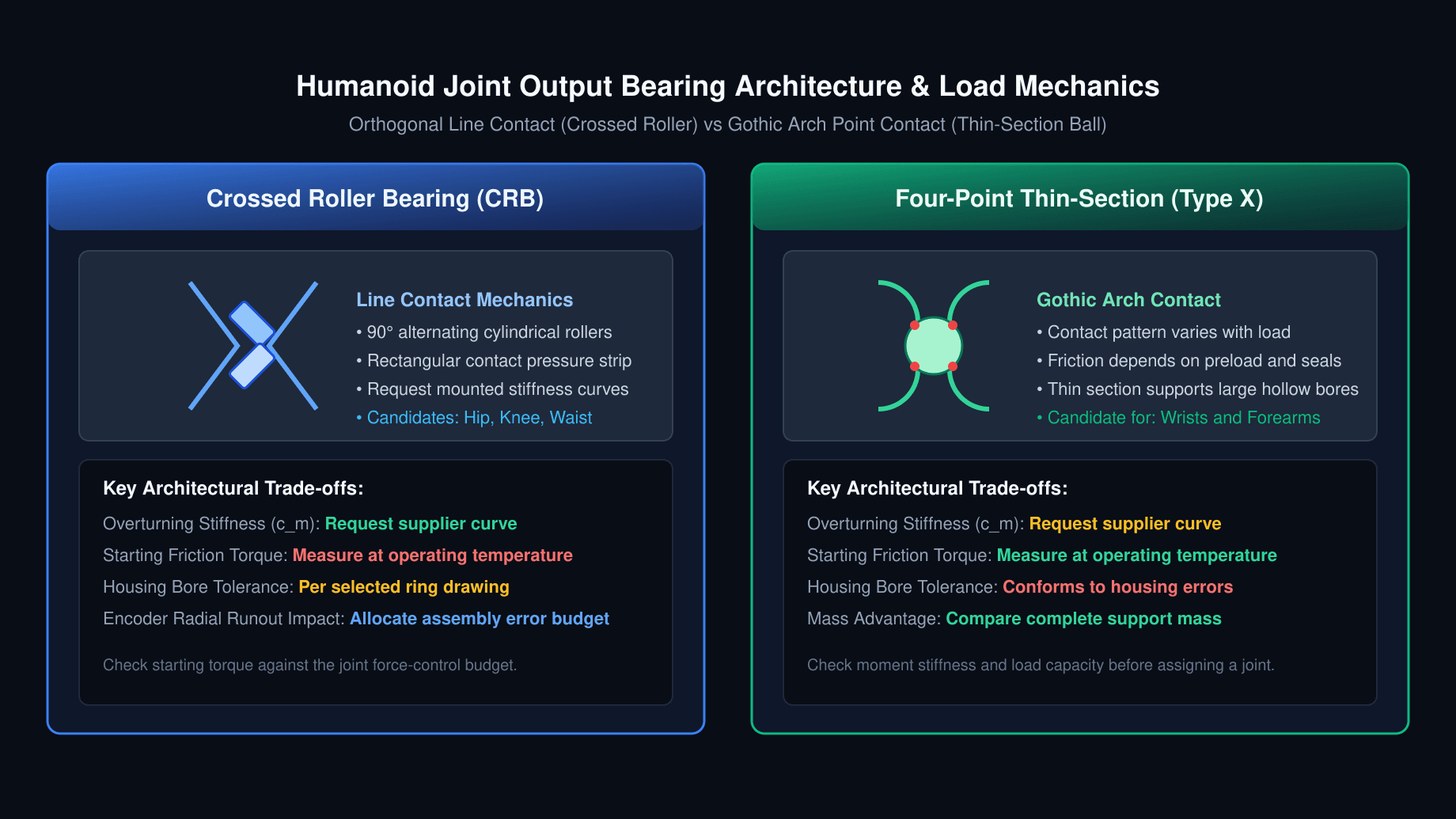
Compare crossed roller and four-point thin-section bearings for humanoid actuators. Review moment stiffness, preload, runout, and RFQ qualification checklist.

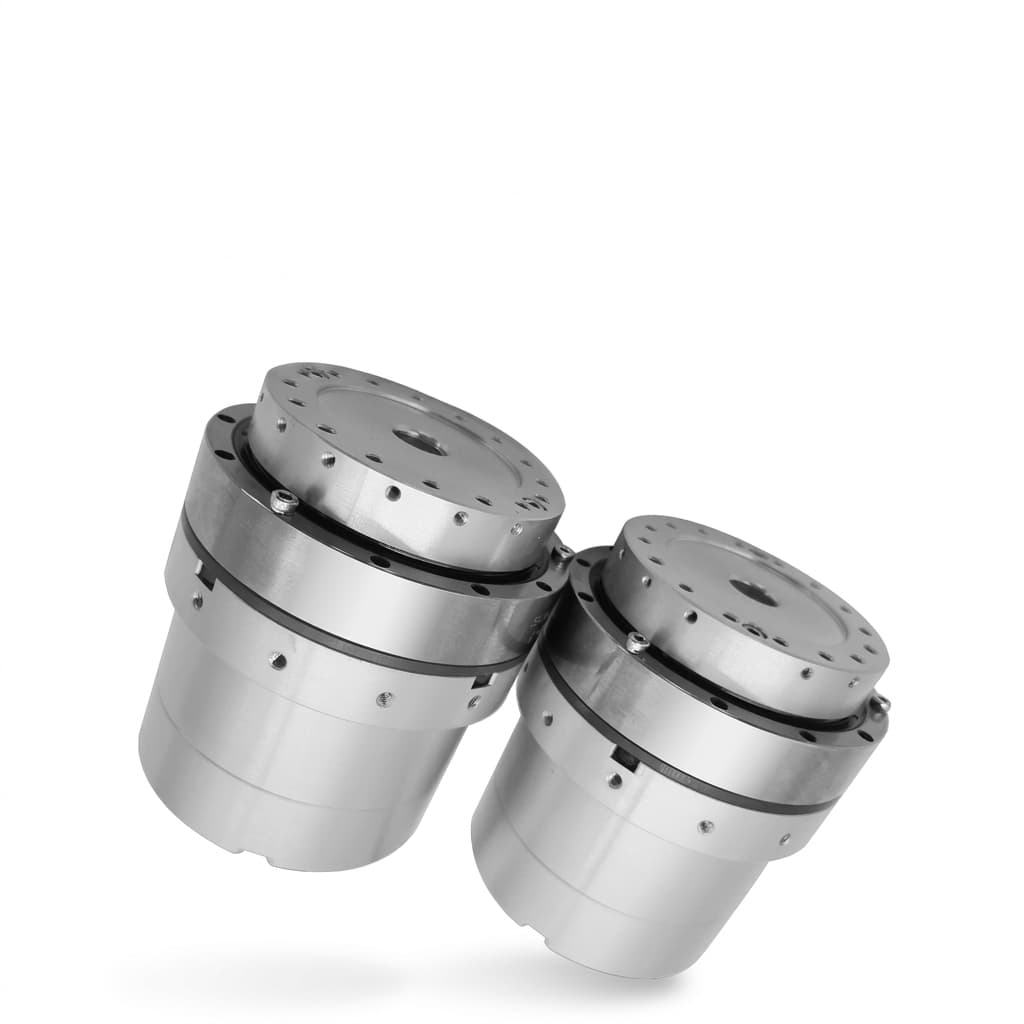
Compare power-off holding brakes for humanoid actuators: PM vs spring-applied designs, PWM heat, torque sizing, and thermal limits. Use the RFQ checklist.
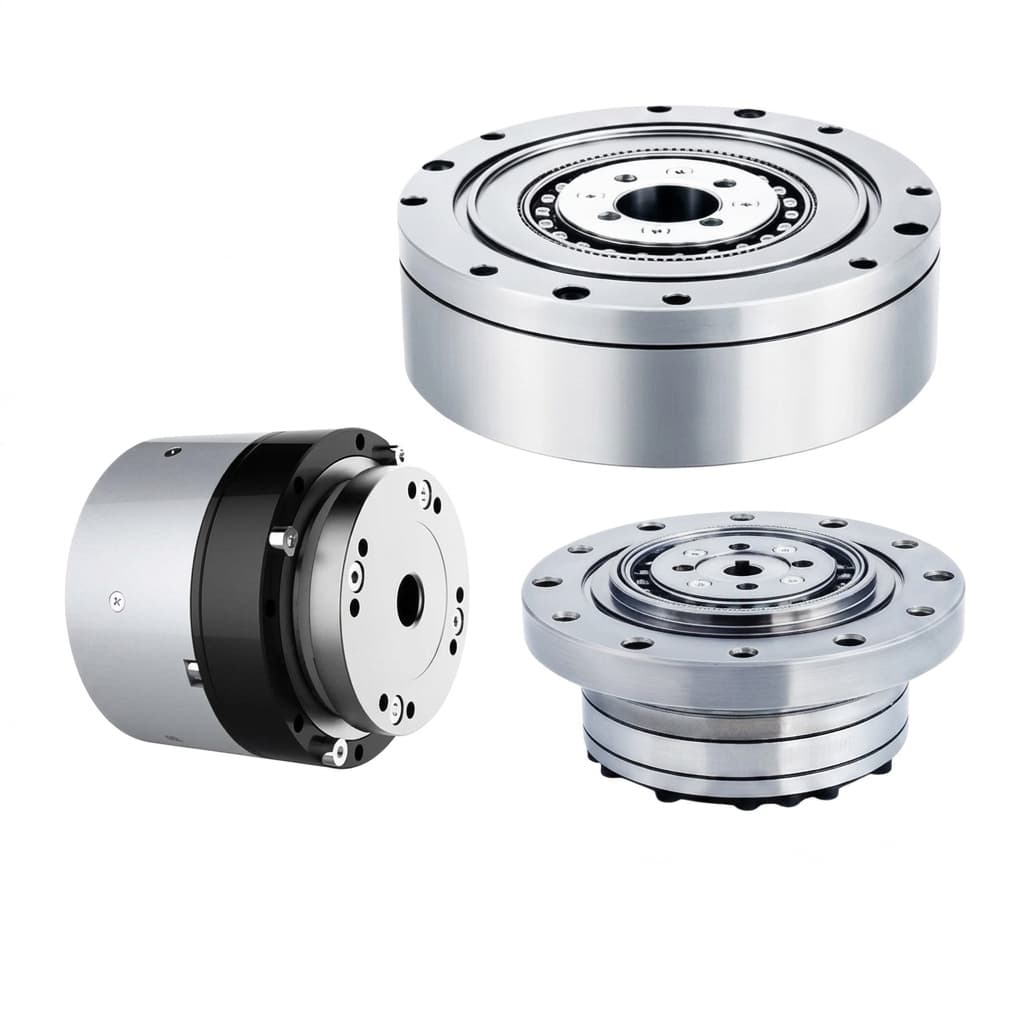
Compare dual absolute encoders vs single-encoder humanoid joints. Assess deflection, startup position, safety evidence and BOM trade-offs with an RFQ checklist.
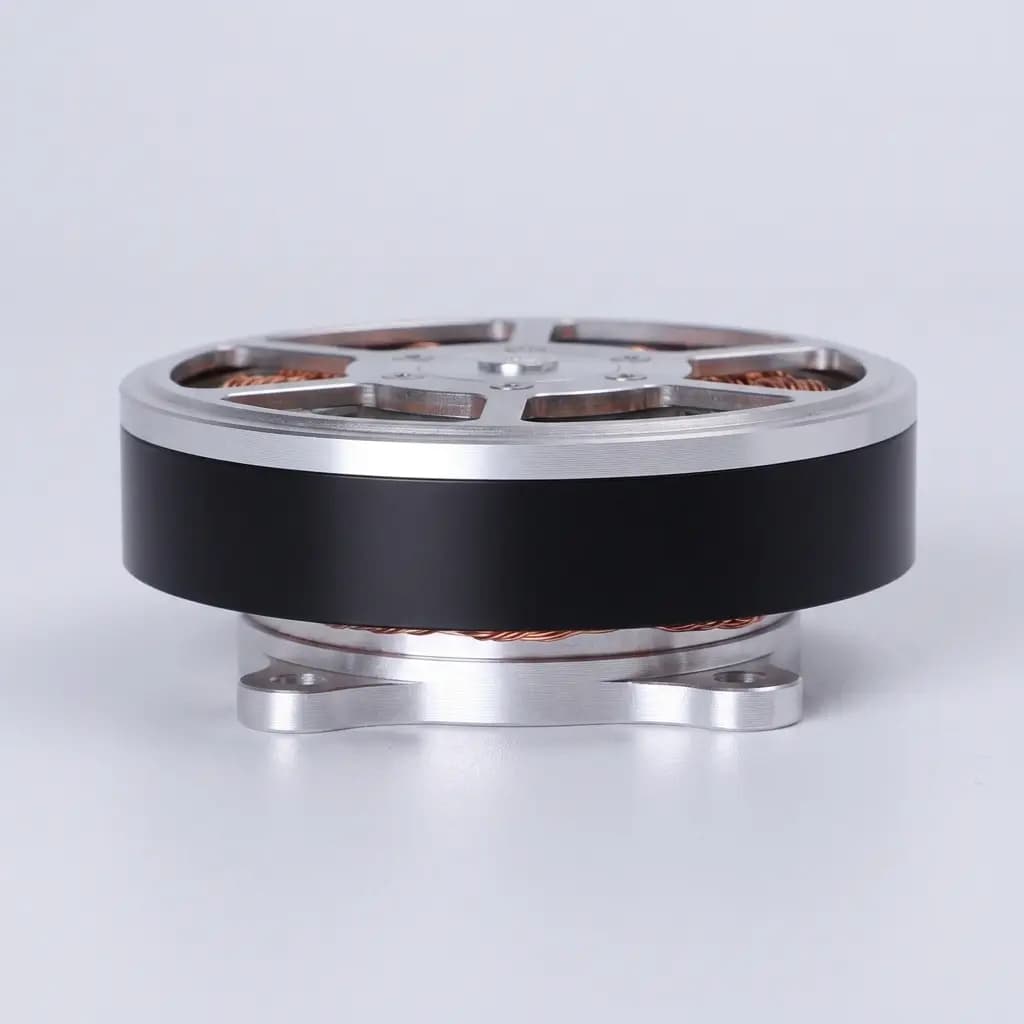
Compare QDD vs high-ratio humanoid actuators by inertia, backdrivability and thermal duty. Use the sizing example and RFQ checklist to shortlist joint modules.
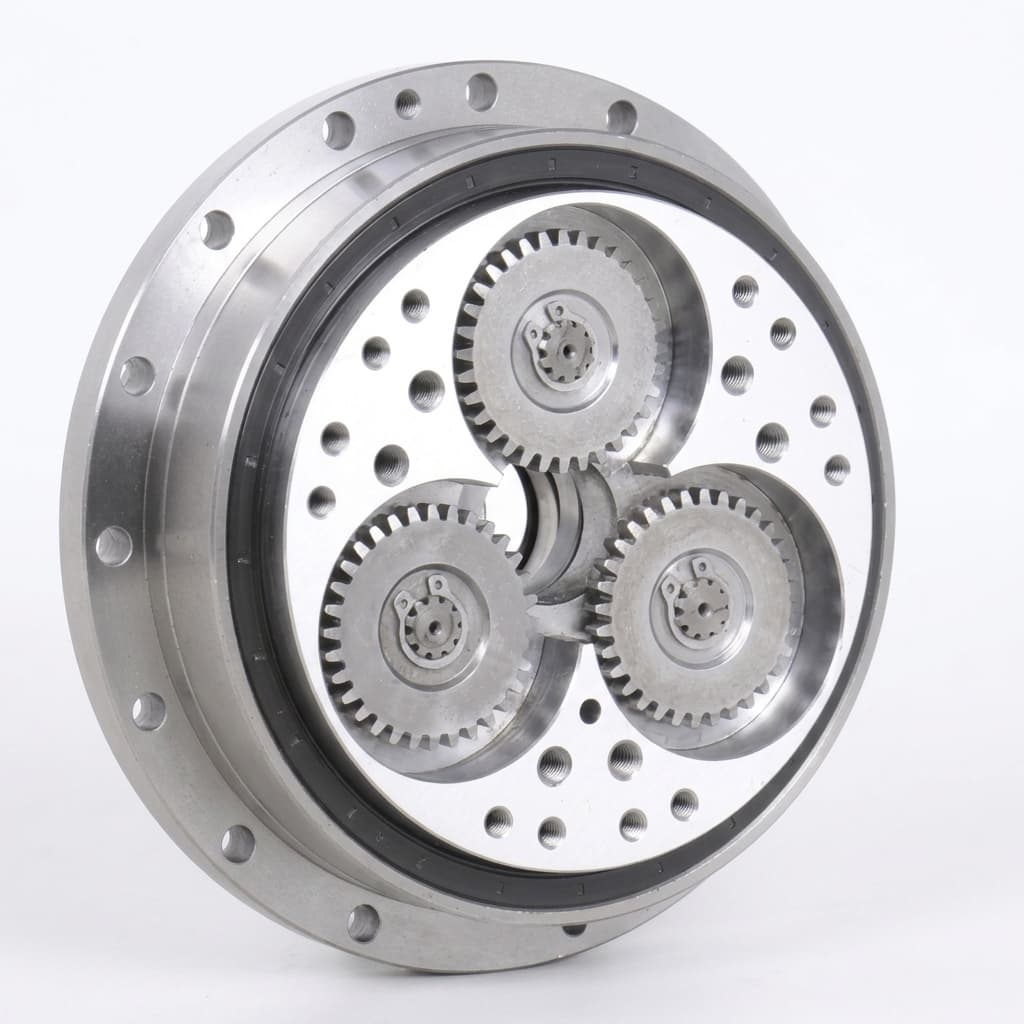
Compare strain wave vs. cycloidal reducers for humanoid rotary actuators. Check shock ratings, lost motion, sizing examples, and prepare your supplier RFQ.
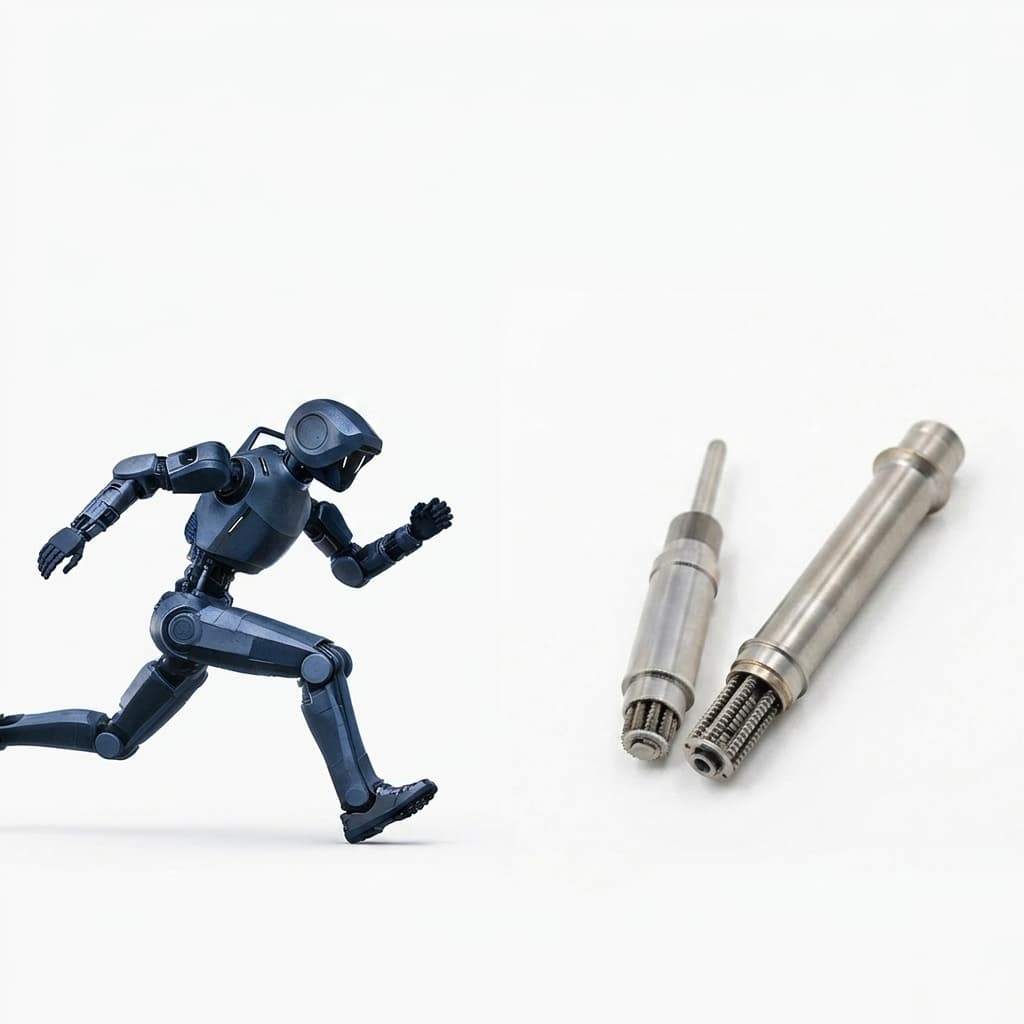
Compare planetary roller screws vs ball screws for humanoid linear actuators. Check loads, packaging and supplier evidence, then prepare your engineering RFQ.